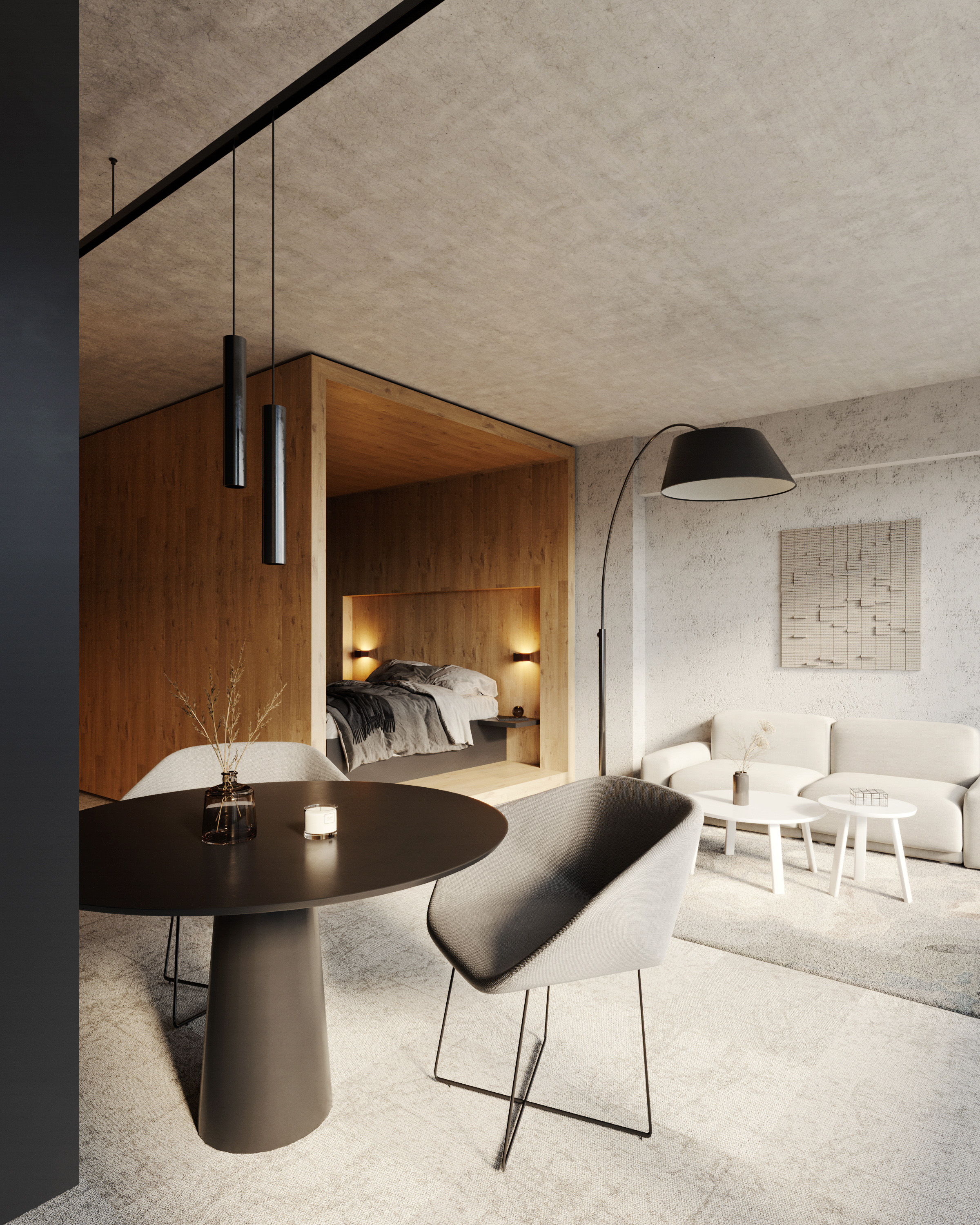
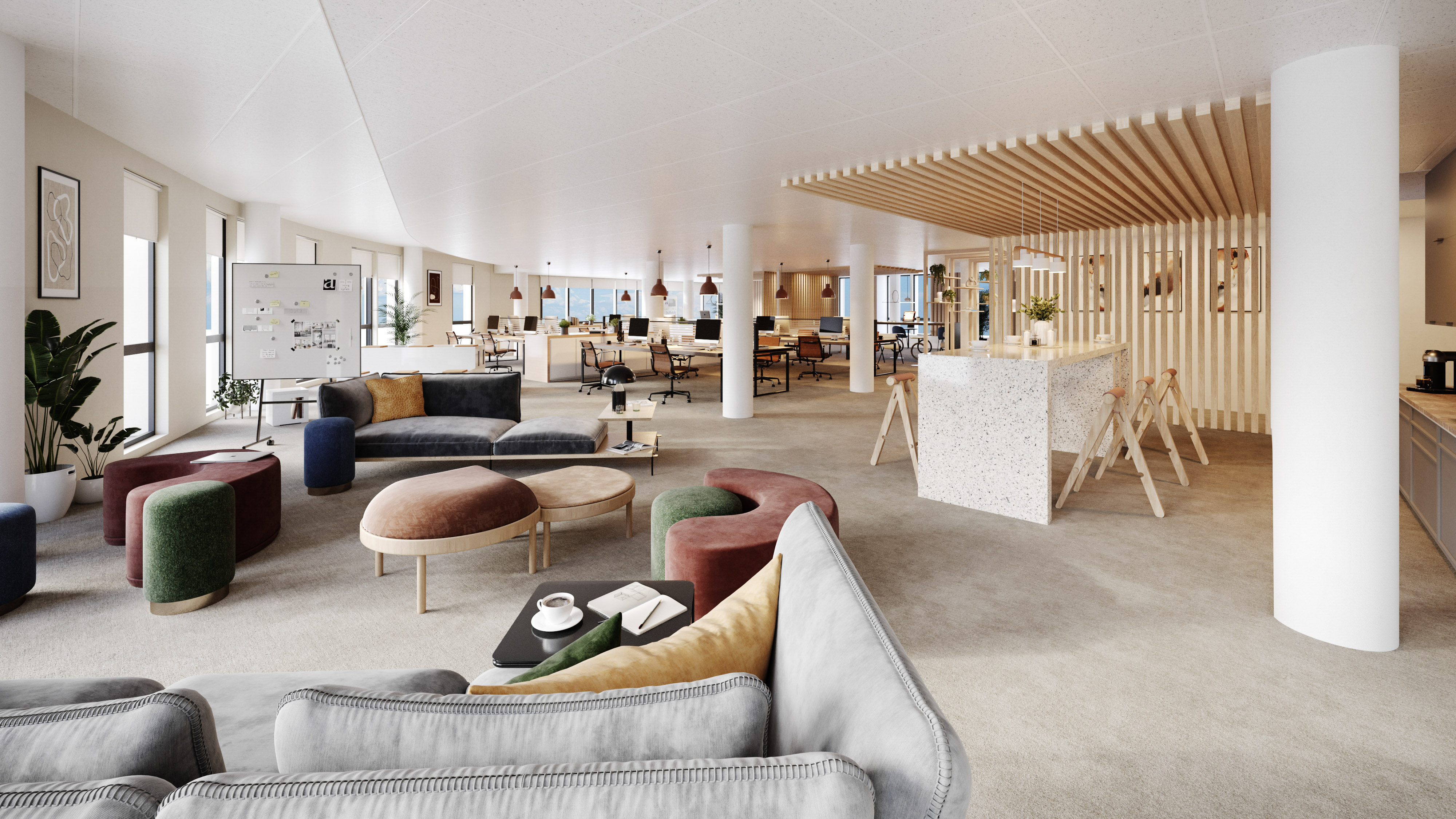
AI is everywhere — including in the world of 3D visualization. And that’s excellent news… as long as it’s used in the right place.
In real estate, you’re not selling “an image”: you’re selling a project promise.
That’s why it’s essential to distinguish what AI can accelerate — and what must remain strictly controlled.
What AI actually improves in 3D production
1) Exploring atmospheres and design intentions
For interior 3D renderings, AI helps quickly explore styles, moods, decorative ideas, and visual directions.
It allows teams to converge faster toward the right creative intent.
2) Material and finish variations
When a development offers multiple ranges (flooring, color palettes, joinery, finishes), AI can assist in generating or organizing variations — while the 3D team ensures consistency and final visual accuracy.
3) Speeding up “support” production steps
Sorting, preparation, iterations, proposals: AI saves valuable time, especially for multi-unit projects, multiple rooms, or large-scale productions — without compromising quality.
What AI should never decide alone in real estate
- Volumes and proportions (layouts, ceiling heights, openings)
- Architectural choices (building placement, façades, technical details)
- Compliance of off-plan sales elements (materials, equipment, railings, etc.)
A visually attractive but inaccurate image is counterproductive: it creates doubt and erodes trust.
The right balance: AI + 3D studio (not AI alone)
The best approach is AI as an accelerator, combined with human expertise:
- A professional 3D studio ensures reliability and accuracy
- AI speeds up variations and production workflows
- The final output remains a fully controlled real estate 3D rendering
(exteriors, interiors, 3D videos, virtual tours)
This is the approach that truly secures results: fast, premium, and fully compliant.
AI + Virtual Tours: A Powerful and Practical Duo
In a 3D virtual tour, AI can be used to:
- prepare multiple interior design styles,
- generate atmosphere variations for the same scene,
- enrich content (hotspots, descriptions, guided paths),
—all while keeping the core 3D model clean, accurate, and fully controlled.
Common client requests (real-life examples)
- “I want a warmer, more photorealistic 3D rendering.”
- “Can we offer the kitchen in two different finish options?”
- “I need a short 3D video for social media.”
- “I want a 3D virtual tour to showcase the property remotely.”
- “I’m looking for a 3D visualization studio / 3D artist for a new real estate development.”
AI helps respond faster and more efficiently to these needs — but the value lies in combining it with professional 3D expertise to ensure consistency, realism, and compliance with what is actually being sold.