Pre-Rendered 3D vs Real-Time 3D: What’s the Difference for Real Estate?

In real estate, “3D” is often discussed as a single concept. In reality, there are two main rendering families: pre-rendered and real-time.
Both can produce 3D images, 3D perspectives, 3D animations, and immersive experiences — but not with the same priorities.

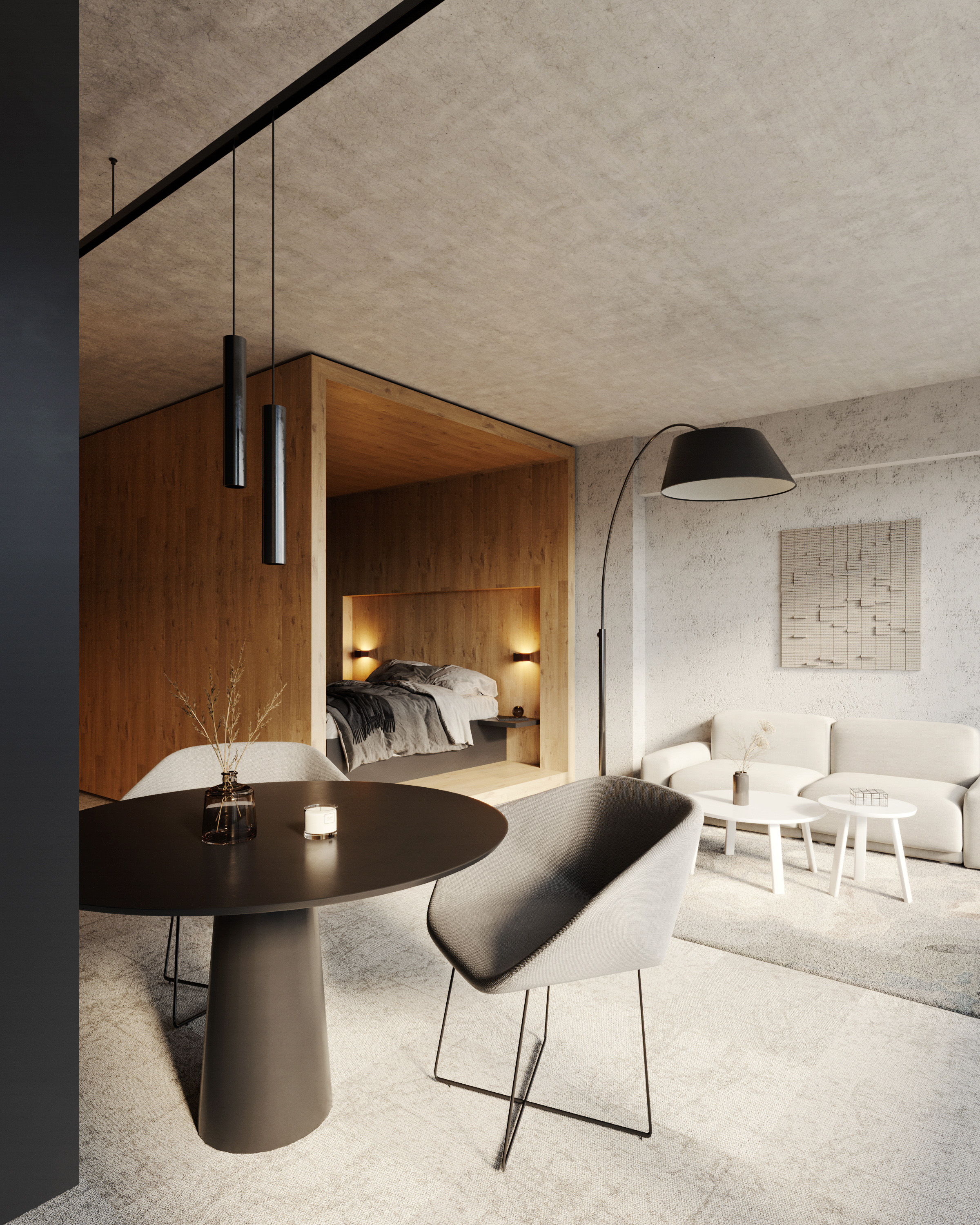
Pre-rendered 3D: photorealism first

Pre-rendered 3D (often called offline rendering) involves calculating an image or sequence over a longer render time in order to achieve maximum visual quality.
It is the most common approach for:

  • a “signature” real estate 3D perspective (façade, entrance, courtyard),
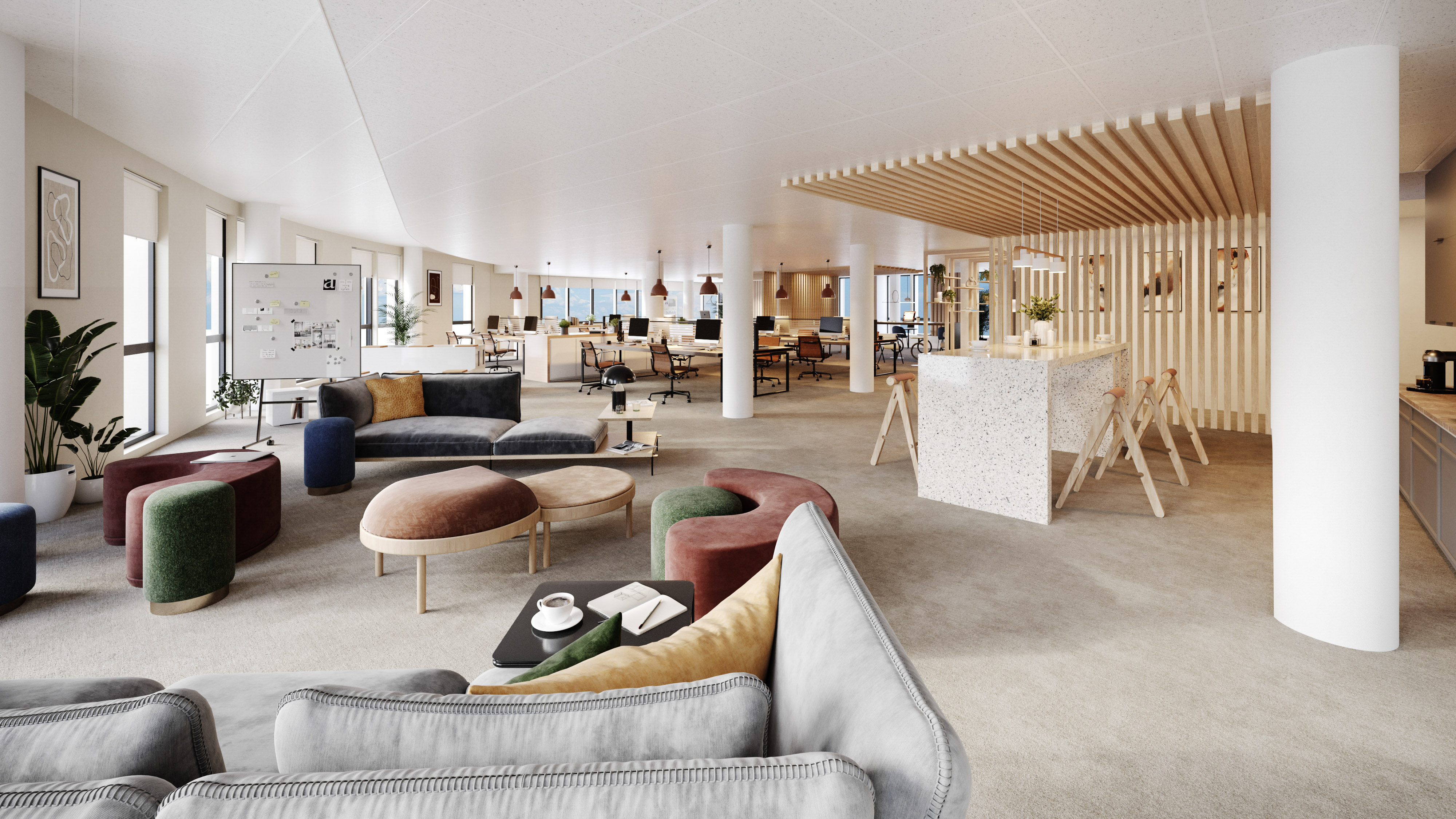
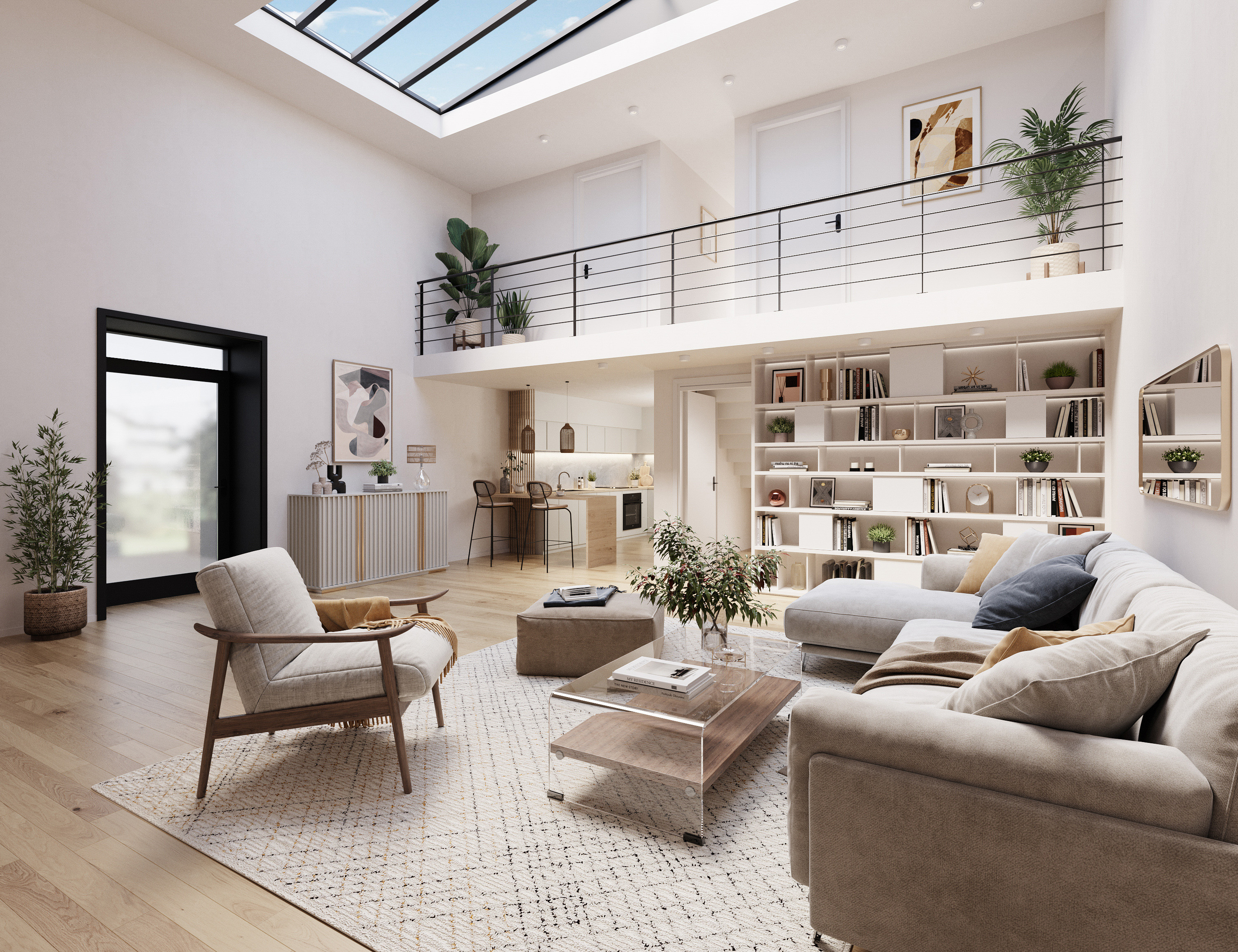
  • photorealistic interior and exterior 3D renderings,
  • high-end real estate 3D videos (lighting, reflections, atmosphere),
  • brochures, construction site signage, and development pages.

When the goal is to create a strong emotional impact, pre-rendered 3D excels: precise lighting, realistic materials, rich atmospheres, and fine details.

Real-time 3D: interaction and variations

Real-time 3D renders images instantly, allowing users to navigate and interact.
It is ideal for:

  • interactive 3D virtual tours,
  • virtual tours with hotspots,
  • showrooms or configurators (material choices, kitchen or flooring options),
  • live commercial presentations during meetings.

Real-time 3D shines whenever the objective is to explore, compare, switch options, and make the prospect an active participant.

Which choice for a real estate project?

Here is a simple rule of thumb:

  • 3D images & perspectives designed to convince: pre-rendered (or hybrid).
  • 3D virtual tours / 360° virtual tours designed to visit: real-time (or 360° when a very lightweight experience is required).
  • 3D videos / animated films: pre-rendered remains the reference for premium aesthetics, while real-time is ideal for fast production, variations, and iterations.

The “best” choice: often a combination

In practice, many high-performing developments combine:

  • 2 to 6 photorealistic 3D renderings (exterior + interior),
  • 1 short 3D video (15–45 seconds) or a teaser,
  • 1 3D virtual tour (or 360° panoramas) to qualify prospects and enable remote visits.

At Parcoure, the objective is always the same: deliver the right experience for your use case — commercialization, competitions, off-plan sales, renovation, or commercial real estate.

How to Decide in 5 Simple (and Practical) Questions

  • Is your priority a perfect image (brochure, signage, website) or interaction (virtual tour, variations)?
  • Do you need to quickly generate multiple units or multiple design atmospheres?
  • Should your audience “understand in 3 seconds” (static rendering) or explore (virtual tour)?
  • Does the project include many options (flooring, kitchens, finishes)?
  • Where will your visuals be used: website, social media, sales office screens, exhibitions, on-site signage?

Typical Deliverables to Offer

  • Sales Package: real estate 3D renderings + interior/exterior 3D perspectives
  • Immersive Package: 3D virtual tour + 360° virtual tour + hotspots
  • Video Package: real estate 3D animation / 3D film
  • Complete Package: 3D images + 3D video + virtual tour (the most convincing option)

Articles

Pre-Rendered 3D vs Real-Time 3D: What’s the Difference for Real Estate?

Pre-Rendered 3D vs Real-Time 3D: What’s the Difference for Real Estate?

Rémy COLLOMB
January 22, 2026
3 min

Pre-Rendered 3D vs Real-Time 3D: What’s the Difference for Real Estate?

Between photorealistic 3D renderings (pre-rendered) and real-time interactive 3D, the right choice depends on your objective: selling off-plan, producing a 3D video, creating a 3D virtual tour, or generating variations quickly. Here are the concrete differences, with real estate examples.

Sell Faster with 3D Renderings, Orbital Scale Models, and Virtual Tours

Sell Faster with 3D Renderings, Orbital Scale Models, and Virtual Tours

Rémy Collomb
January 22, 2026
8 min

Sell Faster with 3D Renderings, Orbital Scale Models, and Virtual Tours

For a single property or a full development, combining real estate 3D renderings, 3D perspectives, and 3D virtual tours enhances buyer projection and reduces hesitation. The result: better-qualified leads, faster decision-making, and a smoother sales process.

AI and 3D in Real Estate: What It Really Changes for Renderings and Virtual Tours

AI and 3D in Real Estate: What It Really Changes for Renderings and Virtual Tours

Samanta Blue
January 22, 2026
7 min

AI and 3D in Real Estate: What It Really Changes for Renderings and Virtual Tours

AI can accelerate the creation of atmospheres, variations, and certain production tasks — but real estate requires reliable 3D: accurate volumes, materials, and architectural consistency. Here’s how to use AI intelligently to deliver photorealistic 3D renderings, 3D videos, and 3D virtual tours.

We are creatives who drive your ideas.

Icon
Request a demo
Discuss Project